 Curious Machines
Kitchen physics in 3D
Inside the
microwave.
Why is one spoonful hot and the next still cold? Follow the energy into the bowl.
Open the oven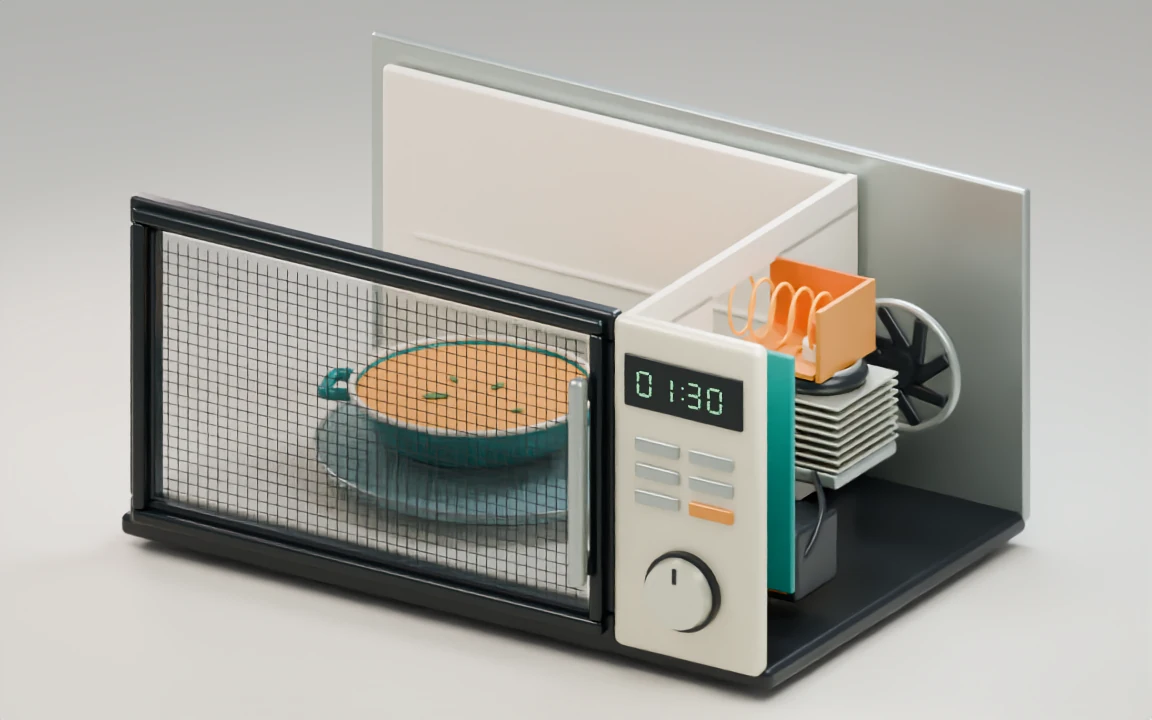
Inside the modern world
Take it apart.
Four machines you rarely get to see working.

A voice beneath the Atlantic.
Dive from Puerto Rico to the cable. Switch a repeater off and hear what reaches shore.
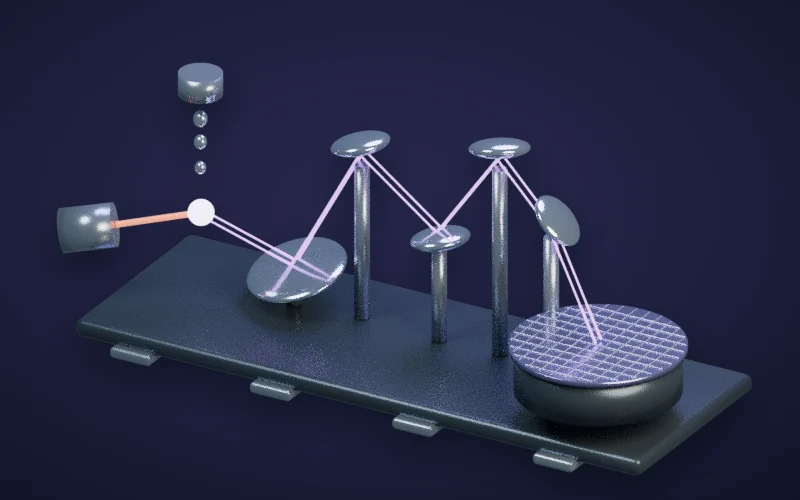
Print a chip with a drop of tin.
Fire two laser pulses at a tin droplet.
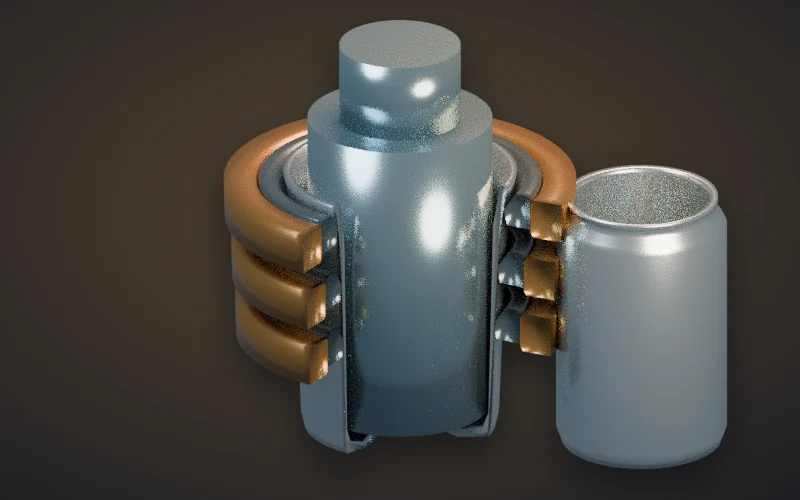
Where does a can get its height?
Put aluminum through the forming dies.
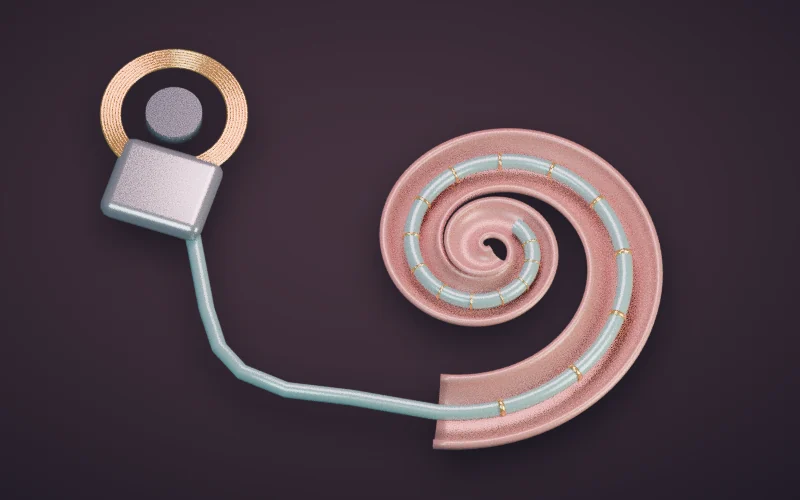
See a voice become pulses.
Trace sound from a microphone to the inner ear.
The 3D collection
Open a machine.
Rotate the model. Lift the shell.
Trace the process through the parts.
Inside the microwave.
Find the cold spot in a bowl of soup.
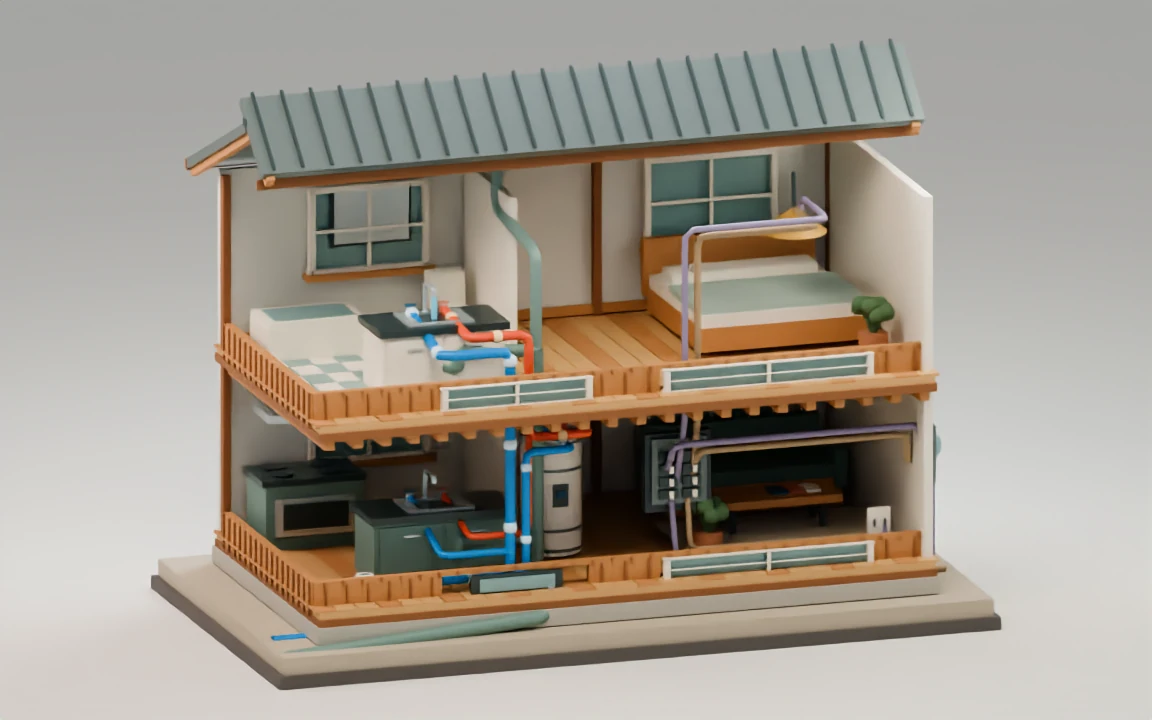
Behind the drywall.
Trace the water and electricity through two floors.
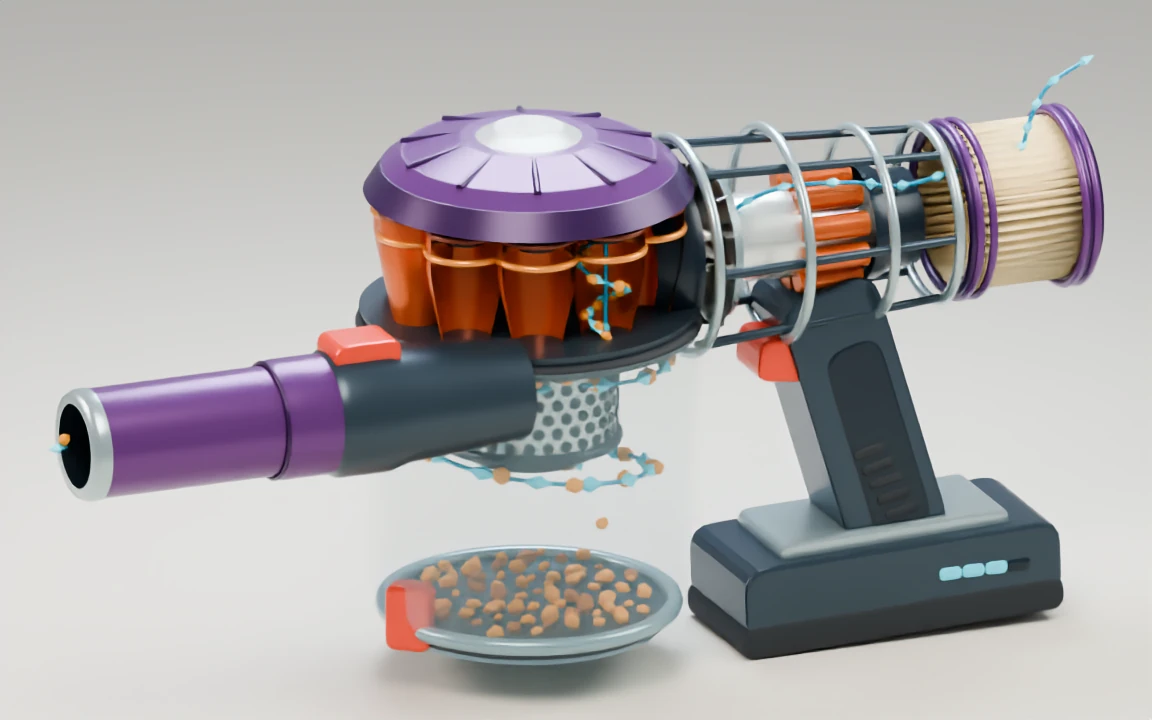
Where the dust goes.
Follow one grain from the inlet to the bin.
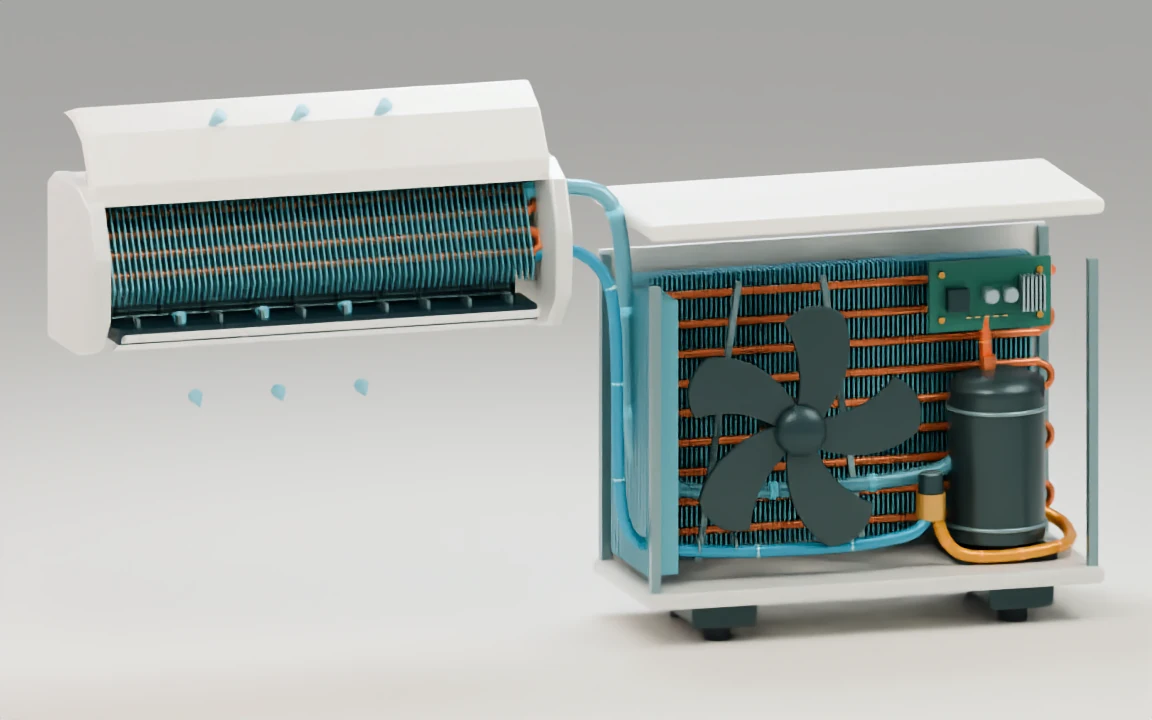
Where does the heat go?
Follow the refrigerant between the two units.
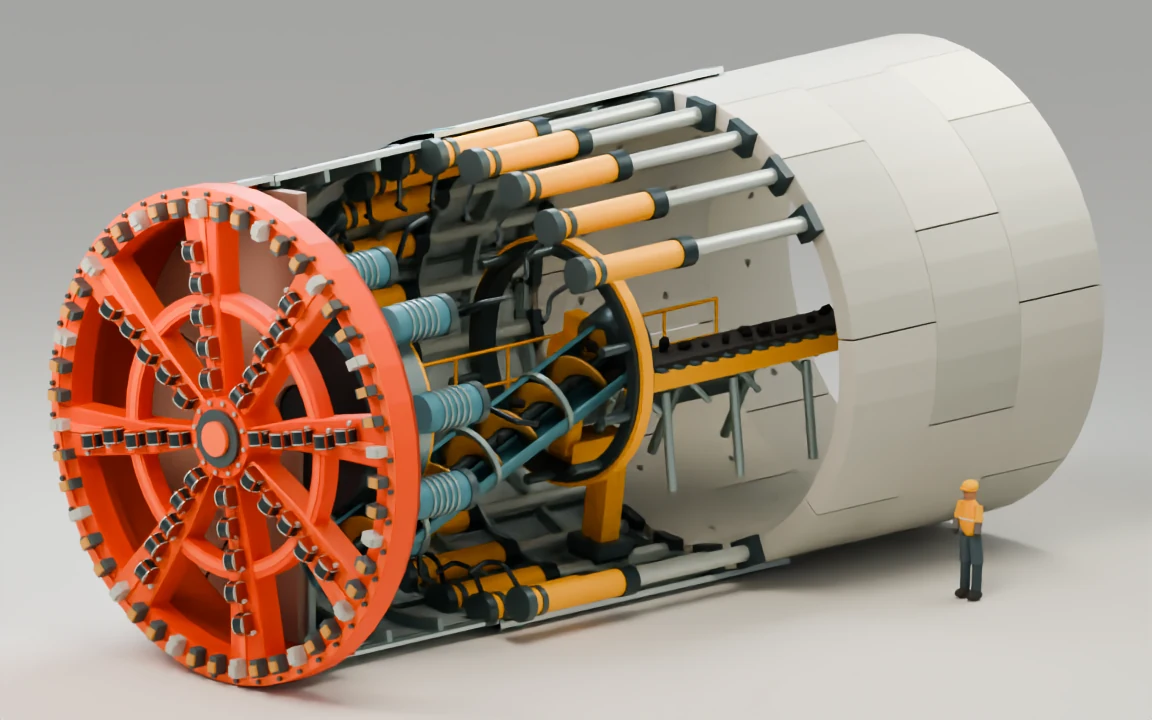
The tunnel factory.
Cut a bore and build the wall behind it.
Inside living systems
Open the biology lab.
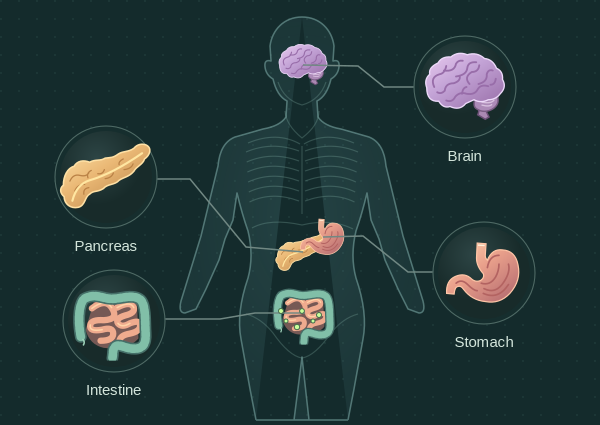
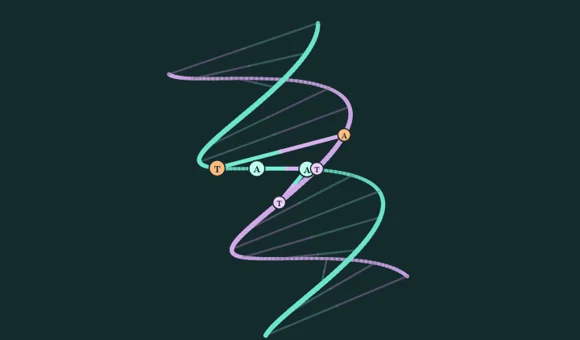
Follow a meal signal, edit a letter of DNA,
or test your intuition against lab measurements.
The collection
Six working diagrams.
Pick one. Put it in motion.
See what changes.
Find the hidden seed.
Build a picture from shadows.
Give a ship a lift.
Take a ship uphill on water.
Print with light.
Turn a shadow into a trench in a wafer.
Catch a second.
Slow a watch until you can see a tick.
Move without moving.
Hold a fingertip still. Move the elbow.
Listen to the pause.
Find out where the time goes before a reply.
About the collection
Curious Machines is a collection of working diagrams by Connor Gallic. Each begins with a question you can answer by moving something on the screen.
These are teaching models. Open the notes in any exhibit to see what the model leaves out and where to read further.